As UX Lead, I led the strategy, structure, and adoption of the system across Corcentric's product ecosystem. Ethos included 300+ reusable design assets and 30 page layouts, built from atomic design principles so teams could move from foundations to complete enterprise product experiences faster.
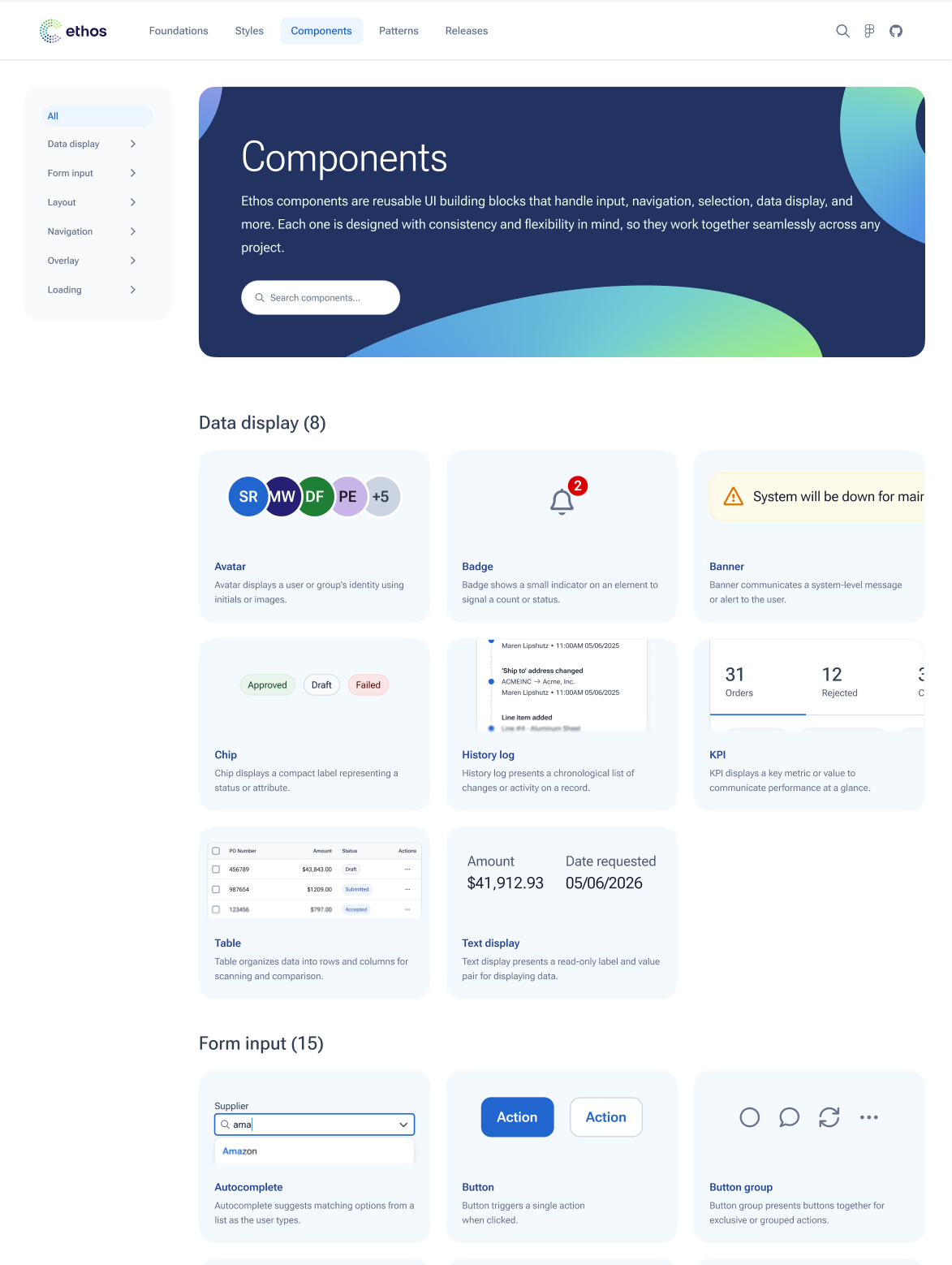
As Corcentric's product suite expanded, different teams were solving similar UX problems in different ways.
Tables, forms, filters, navigation, inputs, and data-heavy workflows were being redesigned repeatedly across products.That fragmentation slowed delivery, made products feel less connected, and created extra effort for designers and engineers building similar experiences again and again.
Ethos served product designers, engineers, PMs, business users, process owners, and low-code builders across complex enterprise workflows.
The system needed to support both internal product teams and the end users who experienced Corcentric's products every day.
I led the design system initiative from a UX strategy perspective.
My work included defining the system architecture, shaping adoption strategy, identifying repeated enterprise patterns, and helping teams understand how to use Ethos consistently.
Design system strategy
Defined how Ethos should support multiple enterprise products while keeping the experience consistent.
Atomic design thinking
Advocated for an atomic design approach, starting from small reusable foundations like color, typography, spacing, buttons, and inputs, then scaling them into components, patterns, templates, and full product experiences.
Component architecture
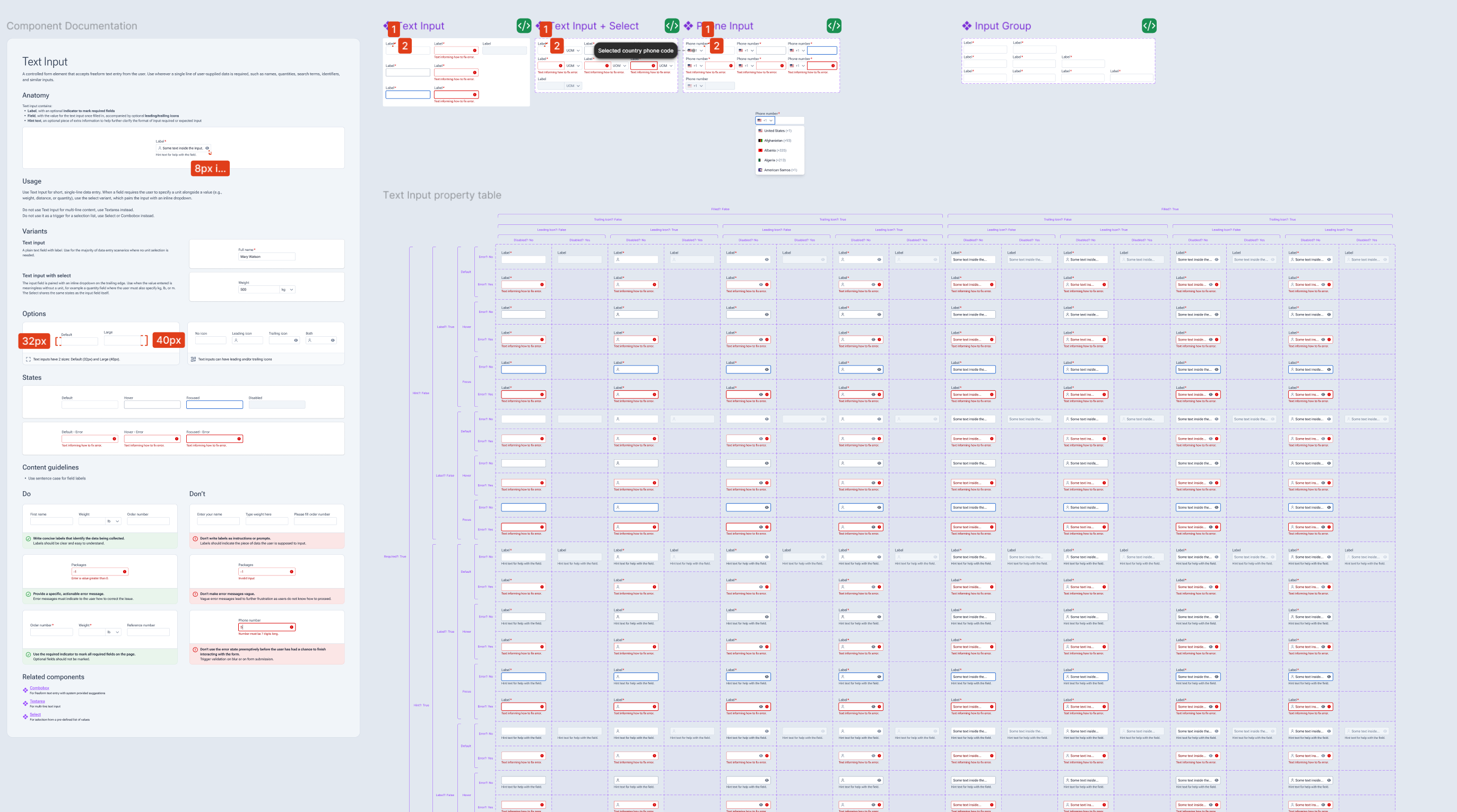
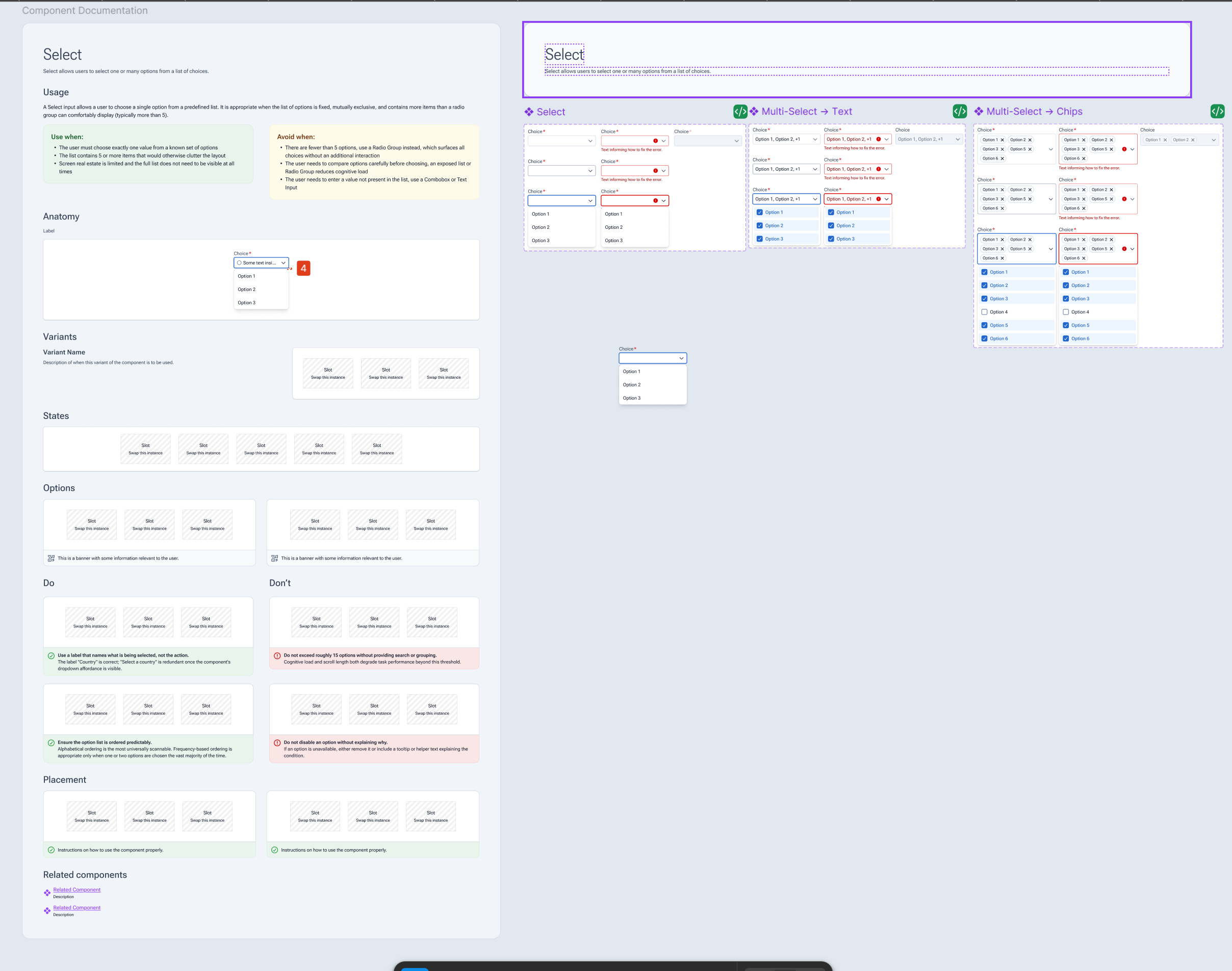
Helped structure reusable components for forms, tables, navigation, buttons, filters, and data-heavy workflows.
Governance and adoption
Worked with design, engineering, and product teams to make the system practical, documented, and easier to adopt.
Accessibility and quality
Pushed for stronger accessibility, responsive behavior, and usage guidance so the system could support real enterprise needs.
I approached Ethos as a product, not just a Figma library.
First, I looked across Corcentric products to identify repeated patterns and inconsistencies. Then I organized the system around reusable foundations, components, patterns, templates, and guidance.
The system prioritized enterprise components that appeared across most workflows: tables, forms, filters, buttons, inputs, dropdowns, navigation, and data-heavy layouts.
I also helped define governance and adoption practices so the system could be maintained, documented, and trusted by teams. Accessibility, responsive behavior, and usage guidance were treated as part of the foundation rather than cleanup tasks after launch.
Ethos gave teams a shared product language for building enterprise workflows. Designers could use reusable assets and layouts instead of rebuilding patterns from scratch. Engineers had clearer component expectations.
PMs and stakeholders could review work through a more consistent system lens.The system also introduced clearer documentation, release highlights, and guidance that explained not just what to use, but when and why to use it.
Ethos created a scalable design foundation for Corcentric's product ecosystem. It reduced design fragmentation, made repeated workflows easier to standardize, and gave teams a more consistent way to build across procurement, AP, AR, payments, and supplier experiences.
For the full case study and additional information, please reach out to raghuraik44@gmail.com


